Hygendra Flowers: The Ultimate Guide To Growing And Caring For These Beautiful Blooms
Hydrangeas are some of the most popular flowering shrubs in the world, known for their large, showy blooms that come in a variety of colors. They are relatively easy to grow and care for, making them a good choice for even novice gardeners.
In this blog post, we will provide you with the ultimate guide to growing and caring for hydrangeas. We will cover everything from choosing the right variety to planting and care, so you can have beautiful hydrangeas in your garden for years to come.
Choosing the Right Variety
There are many different varieties of hydrangeas to choose from, so it is important to do your research to find the right one for your garden. Some factors to consider include:
- Zone hardiness: Hydrangeas are hardy in USDA zones 3-9, so you will need to choose a variety that is appropriate for your climate.
- Size: Hydrangeas can range in size from small shrubs to large trees, so choose a variety that will fit in the space you have available.
- Bloom color: Hydrangeas come in a variety of colors, including blue, pink, purple, white, and green. Some varieties change color over time, so you may want to choose one that will bloom in a color that you like.
- Bloom time: Hydrangeas typically bloom in the summer, but some varieties bloom in the spring or fall. Choose a variety that will bloom during the time of year that you want them to.
Planting Hydrangeas
Once you have chosen the right variety of hydrangea, it is time to plant it. Hydrangeas prefer full sun to partial shade and well-drained soil. They are not tolerant of wet feet, so make sure to plant them in an area that does not get soggy after it rains.
When planting hydrangeas, dig a hole that is twice as wide and as deep as the root ball. Place the hydrangea in the hole and backfill with soil, tamping it down gently. Water the hydrangea well and mulch around the base to help retain moisture.
Caring for Hydrangeas
Hydrangeas are relatively easy to care for, but they do require some basic care. Here are some tips for caring for hydrangeas:
- Water regularly, especially during hot, dry weather.
- Fertilize hydrangeas in the spring with a balanced fertilizer.
- Deadhead spent blooms to encourage new growth.
- Prune hydrangeas in the spring, after they have finished blooming.
Protecting Hydrangeas from Winter
If you live in an area with cold winters, you will need to protect your hydrangeas from the cold. In the fall, mulch around the base of the hydrangeas with a thick layer of organic material, such as leaves or pine needles. You may also want to wrap the trunks of the hydrangeas with burlap or other protective material.
Troubleshooting Hydrangea Problems
Hydrangeas are generally healthy plants, but they can be susceptible to a few problems. Here are some common hydrangea problems and how to solve them:
- Leaf spots: Leaf spots are caused by a variety of fungi. To treat leaf spots, remove affected leaves and apply a fungicide.
- Slugs and snails: Slugs and snails can eat hydrangea leaves. To control slugs and snails, you can handpick them, use a slug bait, or set out traps.
- Winter damage: Hydrangeas can be damaged by cold winter weather. To protect hydrangeas from winter damage, mulch around the base of the plants and wrap the trunks with burlap or other protective material.
Conclusion
Hydrangeas are beautiful and relatively easy-to-grow shrubs that can add a touch of elegance to any garden. By following the tips in this blog post, you can enjoy beautiful hydrangeas for years to come.
Hydrangeas are beautiful flowers that come in a variety of colors, from blue and pink to white and green. They are popular both as cut flowers and as garden plants. If you are interested in learning more about hydrangeas, I recommend visiting . This website has a wealth of information about hydrangeas, including their history, symbolism, different varieties, and how to care for them.
In addition to providing comprehensive information about hydrangeas, also features beautiful photos of these flowers. Whether you are a beginner gardener or an experienced horticulturist, you are sure to find something of interest on this website. So what are you waiting for? Visit today and learn more about hydrangeas!
FAQ of hygendra flower
- What are hydrangea flowers known for?
Hydrangeas are known for their large, beautiful blooms that come in a variety of colors, including blue, pink, purple, and white. They are also known for their long life span, with some hydrangeas living for up to 50 years.
- What is the meaning of hydrangea flowers?
Hydrangeas have a variety of meanings depending on the culture. In some cultures, they are a symbol of love, while in others they are a symbol of gratitude or change. In general, hydrangeas are seen as a sign of good luck and prosperity.
- How do I care for hydrangea flowers?
Hydrangeas need full sun to partial shade and well-drained soil. They should be watered regularly, especially during hot, dry weather. Hydrangeas also benefit from being fertilized once a month during the growing season.
- What are some common problems with hydrangea flowers?
Some common problems with hydrangea flowers include:
- Leaf spot: This is a fungal disease that causes brown or black spots on the leaves. It can be treated with a fungicide.
- Pests: Hydrangeas can be susceptible to a variety of pests, including aphids, spider mites, and scale insects. These pests can be treated with insecticidal soap or neem oil.
- Drought stress: Hydrangeas that are not watered regularly can become stressed and their leaves will wilt.
- How do I deadhead hydrangea flowers?
Deadheading hydrangea flowers is the process of removing spent blooms. This will encourage the plant to produce more flowers. To deadhead hydrangea flowers, simply cut off the spent blooms at the base of the flower cluster.
Image of hygendra flower
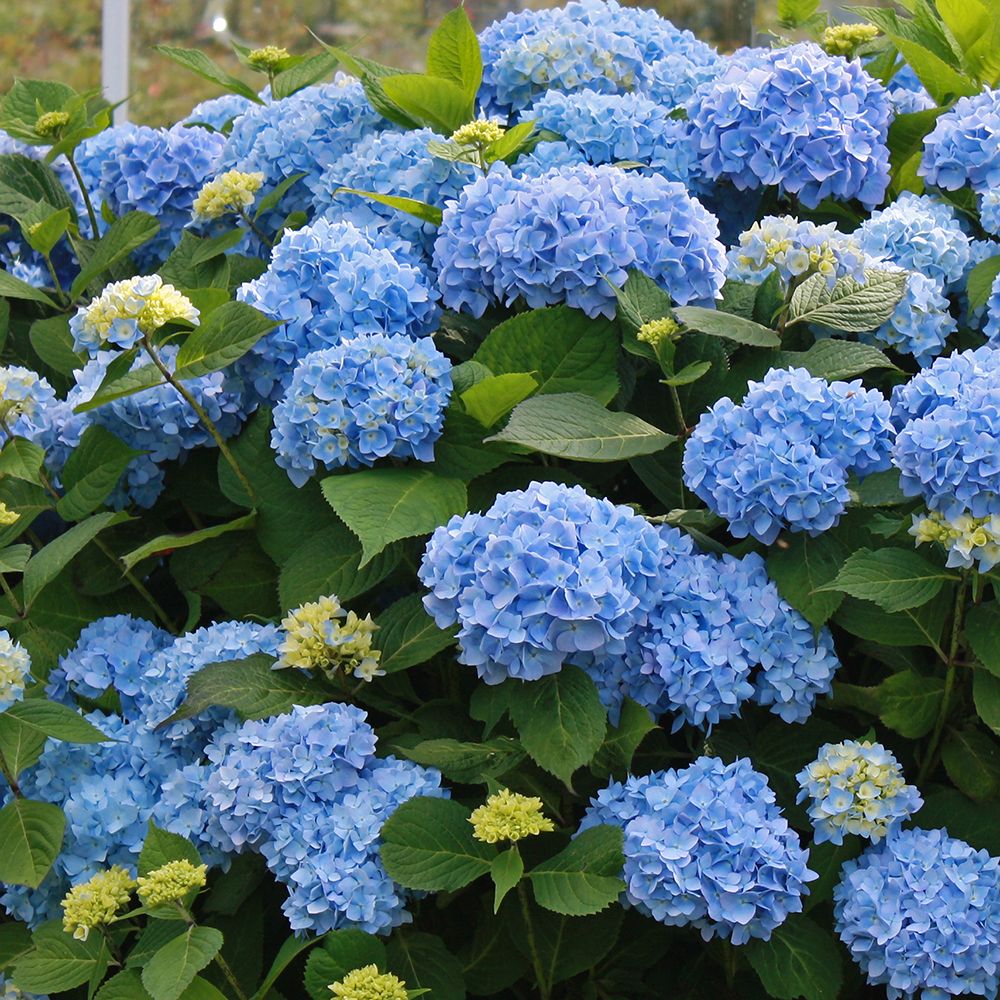
- Blue hydrangea: This type of hydrangea has large, round blooms that are typically blue or pink. The color of the blooms can vary depending on the acidity of the soil.
- Pink hydrangea: This type of hydrangea has blooms that are typically pink or light purple. The color of the blooms can also vary depending on the acidity of the soil.

- White hydrangea: This type of hydrangea has blooms that are typically white or cream-colored. The color of the blooms does not vary depending on the acidity of the soil.
- Mophead hydrangea: This type of hydrangea has large, round blooms that are typically blue, pink, or white. The blooms are very full and fluffy, giving them a mop-like appearance.
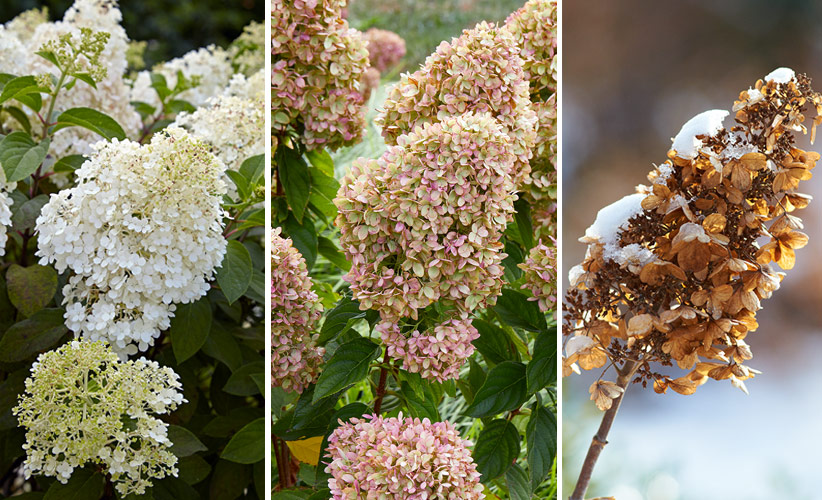
- Panicle hydrangea: This type of hydrangea has tall, cone-shaped blooms that are typically white, pink, or purple. The blooms are not as full as mophead hydrangeas, but they are still very beautiful.
Post a Comment for "Hygendra Flowers: The Ultimate Guide To Growing And Caring For These Beautiful Blooms"